


The Ebira people, an integral and vibrant ethnic group predominantly found in Kogi State, North Central Nigeria, boast a rich cultural heritage deeply rooted in time-honored traditions. Amidst the currents of modernization and diverse religious influences, many of their age-old marriage customs continue to thrive, offering a captivating glimpse into the strength of their ancestral practices. Central to these enduring traditions is the enigmatic and profoundly significant Irehu Iruvo – the ‘fortified’ stool that every Ebira bride receives as a quintessential wedding gift.
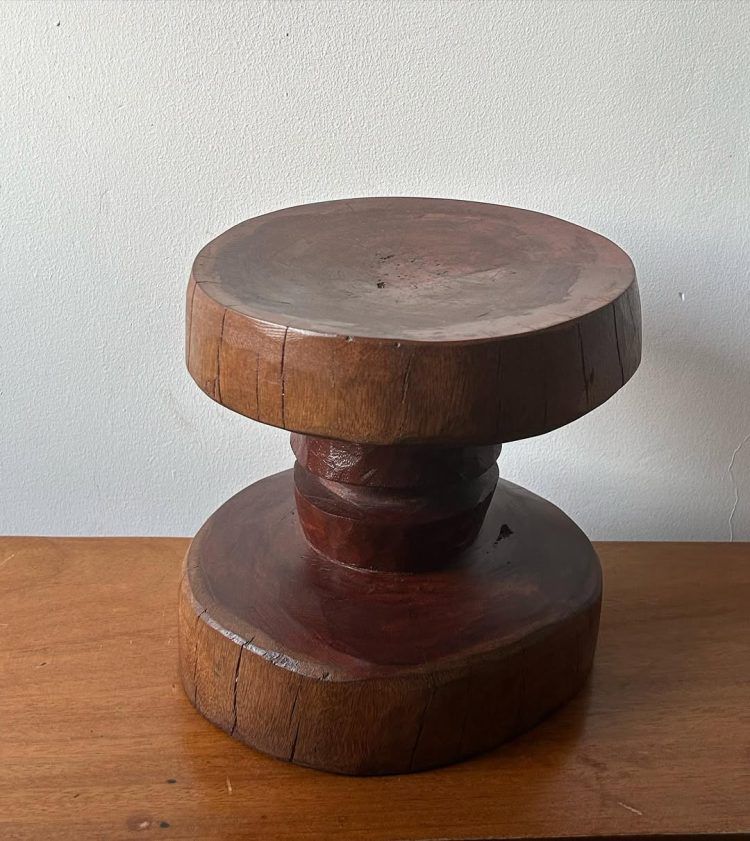
Irehu Iruvo: More Than Just a Stool – A Sacred Foundation
Unlike mass-produced furniture, the Irehu Iruvo stool is a bespoke, culturally charged artifact. It is meticulously crafted from specific types of wood renowned for their inherent spiritual potency and symbolism of fruitfulness. Traditionally, these include:
- Vitellaria paradoxa (Shea Tree): Revered for its nourishing shea butter and deep cultural significance.
- Khaya senegalensis (African Mahogany): Valued for its strength, durability, and often associated with nobility.
- Parkia biglobosa (African Locust Bean Tree): Known for its nutritious pods and medicinal properties, symbolizing sustenance and growth.
Before this treasured heirloom is presented to the Ebira bride, a solemn and powerful ritual takes place. Elder women within the family gather to conduct fervent prayers over the stool. This isn’t merely a blessing; it’s a profound act of fortification, interceding for an abundance of peace, prosperity, and most crucially, fruitfulness in the new marital home. This makes the Irehu Iruvo Anebira a powerful spiritual anchor.
The Enduring Symbolism: A Woman’s Place and Power
The Irehu Iruvo transcends its physical form to become a potent symbol of the woman’s integral and permanent place within her marital home. It signifies a bride who has truly “come to stay,” establishing her roots and contributing to the stability of the family unit.
Throughout her marital life, this sacred stool is central to many of an Ebira woman’s most significant duties:
- Nurturing New Life: It is the seat upon which she bathes and breastfeeds her babies, fostering an intimate connection with her children.
- Sustaining the Family: She traditionally sits on it while cooking for her family, imbuing meals with love and care.
- Crafting and Creation: Weaving clothes, a traditional skill, is also performed while seated on her Irehu Iruvo, linking her to artistic expression and domestic industry.
Beyond its practical applications, the Ebira women’s stool is believed to be imbued with immense spiritual power. It is said that prayers offered while seated upon it are particularly potent and are more likely to be answered. In moments of marital discord or personal challenge, an Ebira bride might return to her Irehu Iruvo, seeking divine intervention and justice, reaffirming its role as a personal sanctuary and a source of spiritual strength.
Beyond the Stool: Unveiling Other Key Ebira Wedding Rites
While the Irehu Iruvo holds a prominent position, Ebira wedding traditions are a tapestry woven with several other significant rites, each contributing to the solemnization of the union and the strengthening of familial bonds.
1. Isa’ewere (The Hidden Things): The Rite of Intent
HRH Momoh Nasir, the Asema of Uka clan and a respected custodian of Ebira culture and an authority in Ebira folklore, elucidates that Isa’ewere derives its name from the inherent privacy and discretion associated with its performance. This initial declaration of intent from the groom’s family was traditionally conducted under the shroud of night to ensure its secrecy, safeguarding the delicate stage of negotiations. Today, while still private, it often takes place in the late afternoon, typically between 4 PM and 5 PM.
During Isa’ewere, female members of the prospective groom’s family, generally numbering no fewer than ten, arrive with a substantial array of items:
- 24 yam tubers (symbolizing sustenance and abundance)
- Two large fish
- A bag of salt
- 10 liters of red palm oil
- A monetary gift of at least N5,000 (reflecting current values, historically N5,000 was a significant sum, today it might be adjusted for inflation, but culturally, the gesture remains key)
- Two wrappers (the only items specifically designated for the bride)
The majority of these gifts are intended for the bride’s maternal family or the individual who played a primary role in raising her, acknowledging their efforts and seeking their blessings.
The completion of Isa’ewere carries significant weight: once performed, the bride is customarily bound and cannot entertain proposals from other suitors. Any cancellation of the promise of marriage by her parents would be a serious matter. In contemporary Ebira society, particularly among Muslims, the payment of ‘sadaqi’ (dowry/bridal gift) often follows, serving as a religious confirmation and a means to protect the couple from temptation, harmonizing cultural and religious dictates.
2. Isa Obanyi (The Big One): Affirming Paternal Blessings
Literally meaning “the big one,” Isa Obanyi typically precedes the religious rites by a day. This ceremony sees the prospective groom presenting another impressive array of gifts, this time specifically for the bride’s paternal family. These items often include:
- Yams and rice (staple foods)
- Fish and cooking oil
- Wrappers and shawls (clothing items)
- Jewelry and undergarments (personal gifts for the bride, often presented to her paternal family as a gesture of respect).
As part of this elaborate preparation, the bride undergoes a ritualistic bathing, perfuming, and dressing in exquisitely woven clothes, traditionally crafted by her own family, symbolizing her purity and readiness for marriage.
3. The Marriage Festival: The Culmination of Rites
On the auspicious day of the marriage festival, the bride and groom are seated on traditional wooden stools, facing each other. The bride’s face remains veiled, adding an element of mystique and anticipation. The groom is traditionally accompanied by his uncle, who acts as a witness and holds the money for the various rites to be performed. In rare instances, his own father might assume this crucial role. Other members of the groom’s family sit behind them in two rows, men in front and women behind, signifying respect for hierarchy and order.
A male representative from the bride’s family presides over this segment. Addressing the bride by her name, he solemnly asks if she met the groom of her own free will and genuinely desires to be with him. Upon her affirmative response, the groom presents her with a symbolic gift known as eiza ipapa. This gift comprises one each of the lowest and highest denominations of the available currency. Historically, it might have been N101 (N100 and N1), now reflecting modern currency values, it might be N1,005 (N1,000 and N5). The profound significance of this gesture lies in its symbolism: a recognition that the marriage will inevitably encompass both high (joyful) and low (challenging) moments, and the couple must navigate them together.
Additional customary rites the groom must perform, often now monetized due to societal changes, include:
- Ekehi Are’a Onwu (Helping Out on the Father-in-Law’s Farm): Originally a service-based contribution, this rite is now typically paid for with a monetary gift of at least N50,000, acknowledging the value of the gesture.
- Ekehi Enyara (Money for Older Sisters): Acknowledges and respects the bride’s older female siblings.
- Ekehi Enebena (Money for Older Brothers): Honors the bride’s older male siblings.
- Ekehi Onyara (Money for Younger Ones): A gesture of goodwill and acknowledgment for the bride’s younger siblings.
Adapting Traditions in a Modern World: Case Studies
The beauty of Ebira marriage customs lies in their adaptability, allowing for seamless integration with contemporary lifestyles and diverse backgrounds.
Muntasir (second name withheld), a native of Zaria, Kaduna State, shared his experience: “My wife’s family was incredibly understanding given my distant origin. After an initial visit, I received a compressed list of requirements from my then-in-laws-to-be. I returned home to discuss it with my parents and came back with the necessary items and my relatives for the ceremony two months later. Both Isa’ewere and Isa’obanyi were subsequently performed on the same day, with the Nikkah (Islamic wedding) following the next day. I then took my bride home.” This demonstrates how traditions can be flexibly combined for convenience without losing their essence.
Similarly, Mr. Adeola (second name withheld), an indigene of Ekiti State happily residing with his Ebira wife in Southampton, United Kingdom, recounted: “I was guided through the intricate maze of activities, performing each one diligently before our church wedding. Being Christians by faith, we found a way to honor both the rich Ebira customs and our religious beliefs.” This highlights the successful fusion of cultural heritage with religious practices and geographical distances.
Conclusion: A Legacy of Love and Culture
The Ebira wedding traditions, particularly the profound symbolism of the Irehu Iruvo, stand as a testament to the enduring strength and beauty of Nigerian cultural practices. They are not mere rituals but a vibrant expression of identity, community, and the deep-seated values that bind families and shape new beginnings. As these traditions continue to evolve, they remain a source of pride, connection, and a living legacy for the Ebira people, both at home and in the diaspora.
Article credits to: Yakubu Binuyaminu Adeiza of Aqila Media
Image Credit to: @ozozamuseum on Instagram


0 Comments