


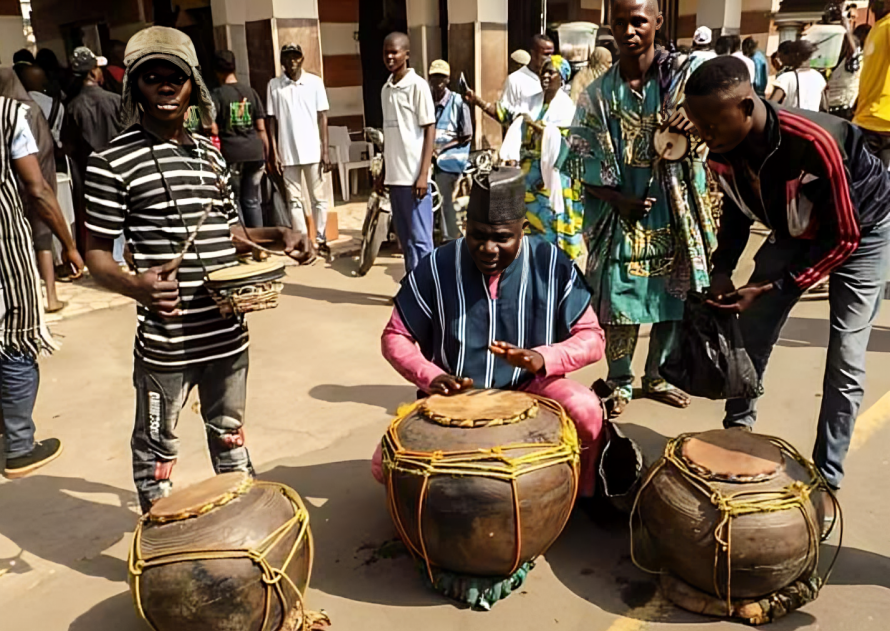
The Ebira people constitute a significant ethnolinguistic group in Central Nigeria, primarily recognized as Ebira Tao within Kogi State. They are a major ethnic presence in the central Nigerian region, predominantly inhabiting the southwest area at the confluence of the River Niger and River Benue, with some communities also established in the northeast. The very term “Ebira” carries a profound cultural meaning, signifying “BEHAVIOUR with ETHICS and HOSPITALITY as compliment”. This reflects a core aspect of their societal values and communal identity.
Geographically, the Ebira Ta’o people in Kogi State are predominantly distributed across five Local Government Areas (LGAs): Adavi, Ajaokuta, Okehi, Okene, and Ogori/Magongo. Among these, Okene stands out as the widely acknowledged administrative center for the Ebira-speaking populace in Kogi State. This consistent identification of Okene as the administrative hub, despite the Ebira’s spread across multiple LGAs, indicates a historical and contemporary significance that extends beyond mere population size.
It suggests that Okene serves as a pivotal cultural and political nexus for the Ebira Tao, likely influencing traditional governance structures and the broader processes of identity formation throughout the region. Major towns integral to Ebiraland include Adavi, Koton-Karfi, Okehi, and Okene itself.
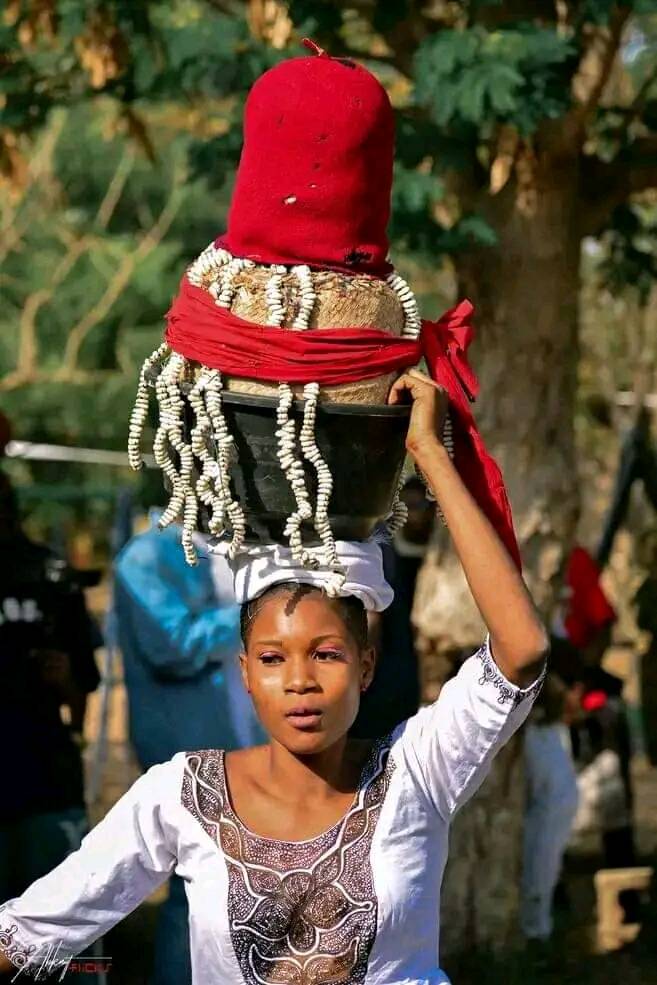
Historical Context and Migration of the Ebira

The historical narrative of the Ebira people is rich with accounts of migration and settlement, shaping their current geographical distribution and social organization.
Origins and Early Migrations
Oral traditions predominantly assert that the Ebira migrated from the Jukun in the Kwararafa kingdom. This foundational claim is significantly reinforced by the “Apere stool,” a potent symbol of Ebira political authority and ethnic identity, which also serves as the title instrument of the Ozumi of Okene. This migration from Kwararafa, undertaken alongside the Igala and Idoma peoples, is estimated to have occurred around 1680 AD, primarily triggered by a chieftaincy dispute. Following this initial movement, the Ebira subsequently fragmented into various groups, settling in diverse locations between 1680 and 1750 AD.
However, an alternative historical perspective suggests a much deeper and more ancient presence of the Ebira in central Nigeria, dating back as far as 4000 BC, supported by archaeological evidence from iron-working sites dated to 260 B.C.. The presence of these two distinct accounts regarding Ebira origins—one tracing migration from Kwararafa around 1680 AD and another suggesting an ancient indigenous presence in Central Nigeria dating back to 4000 BC—warrants careful consideration.
This is not necessarily a contradiction but rather indicates a complex historical layering. It implies that the “Ebira” identity may have evolved over millennia, potentially incorporating earlier indigenous groups or experiencing multiple waves of migration. The Kwararafa narrative could specifically refer to the formation or significant re-alignment of the Ebira Tao group as it is recognized today, while the older dates point to a broader cultural continuity of iron-age societies in the region that eventually coalesced into or influenced the contemporary Ebira identity.
The Role of Itaazi and Founding of Districts
A pivotal figure in the Ebira Tao’s settlement history is Itaazi, revered as the “father” who led them to their premier settlement in Ebiraland. After their departure from Kwararafa and a brief sojourn with the Igalas at Idah, the Ebira Tao crossed the River Niger and established themselves at Ebira Opete, a site located in the vicinity of Upake within Ajaokuta LGA. Itaazi’s lineage played a critical role in the subsequent expansion and organization of Ebiraland. He had five sons and one daughter, each of whom became the progenitor of a major district.
The children of Itaazi and the districts they founded are:
- Adaviruku/Ohizi, who founded Adavi.
- Ododo, who founded Okehi.
- Obaji, who founded Eyika, a district situated within Okehi.
- Uga, who founded Okengwe, a district within Okene.
- Ochuga/Onotu, who founded Ihima, another district within Okehi.
- His daughter, Ohunene, established the Eganyi district, located within Ajaokuta LGA.
Significantly, members of the various clans across Ebiraland trace their ancestry back to these children of Itaazi, underscoring his central role in the traditional genealogical and geographical organization of the Ebira Tao.
Early Settlement Patterns and Influences
The early settlement patterns of the Ebira were profoundly influenced by their physical environment. They established highly integrated communities of related families, kindreds, clans, and clan-groups atop numerous hilltops, including notable locations such as Eikoku Okengwe, Okehi, Ukpai, and Okerekere. The consistent emphasis on the hilly terrain providing natural defense and shaping settlement patterns demonstrates a profound connection between geography and the historical resilience of the Ebira people.
This inherent defensive advantage, characterized by dissected peaks and V-shaped valleys, was not merely a geographical feature but a strategic asset that provided security and protection against external incursions. This natural fortification proved particularly effective during conflicts, enabling them to successfully resist forces like the Ajinomoh jihadists in the 1880s. This ability to defend their territory shaped their socio-political development and contributed significantly to the preservation of their distinct cultural characteristics.
The Ebira Clan System: Structure and Characteristics
The clan system is a cornerstone of Ebira social organization, deeply rooted in their history and traditions, though it has undergone significant transformations over time.
Foundational Principles of the Clan System
The Ebira clan system is fundamentally structured around extended families and adheres strictly to patrilineal descent. This means that both inheritance and clan membership are exclusively reckoned through the paternal line. The largest patrilineal kin group within this structure is identified as lineages. As previously noted, the various clans across Ebiraland trace their origins to the children of Itaazi, who are considered the progenitors of the core traditional districts. This ancestral link provides a unifying framework for the diverse clan groups.
Significance of Clan Identity
Clan identity holds a primordial status among the Ebira, dating back to the very genesis of settlement in Ebiraland. Traditionally, clans functioned as cohesive kinship groups, each often represented by specific totemic animals such as the lion, crocodile, leopard, and python. While some references mention revered ancestries like “Ura (Ozuda), Evako and Anogidi Kuroko” and the spiritual significance of “Ura” as a “spirit-masquerade,” these are not explicitly linked to specific clan totems in the same manner as the animals. Beyond kinship, clan membership was a crucial institution for maintaining social control, working in conjunction with the
iregba, a sacred shrine where decisions on religious matters and social offenses were traditionally adjudicated. The selection of the Ohinoyi of Ebiraland, the paramount traditional ruler, historically reflected this clan-based power-sharing, with the position rotating among the major clans.
Evolution and Challenges to the Clan System
Historically, the Ebira people did not develop a centralized form of leadership until the advent of British colonial authorities. Prior to this, Ebira People’s governance was more republican in nature, suggesting a decentralized power structure. A pivotal moment in their political evolution occurred in 1902 when the British unified the various Ebira clans under the leadership of Attah Omadivi, marking the formal establishment of a monarchical administration in Ebiraland.
This imposition of a centralized leadership by British colonial authorities, coupled with the weakening of traditional clan-headed structures, appears to be a direct contributor to contemporary clan-based conflicts. The colonial administration’s actions fundamentally altered traditional governance structures and institutions, thereby undermining the communities’ inherent capacity for self-control. This forced centralization likely disrupted pre-existing power balances and created new arenas for competition, transforming internal differences into sources of violent struggle.
Clan Identity and Conflict in Modern Ebiraland
Contemporary studies indicate that intra-ethnic differences and sub-ethnic identities, particularly clan identity, are increasingly leveraged for political mobilization and access to resources, which regrettably fuels violent conflicts within Ebiraland. This represents a significant transformation of clan identity from its traditional role as a mechanism for social control to a tool for political competition. The traditional function of clans as fundamental kinship groups, serving as institutions for social control, has evolved.
In the post-colonial era, clan identity has increasingly become a primary basis for the allocation of political offices and ascension to traditional leadership roles, leading to intense competition for power and social positions, often resulting in violent outcomes. This profound shift from a system primarily focused on internal regulation and shared identity to one characterized by external competition and conflict is a critical aspect of modern Ebira society.
Examples of these clan-based conflicts include:
- The Adavi Eba communal clashes in 1997.
- The Ihima/Adavi Eba crisis in 2002.
- The Ohiowan and Emani clannish conflicts that plagued Ihima between 2006 and 2007.
- The ongoing political and clannish conflicts between the Oziogu and Oziomoye clans in Okene since 2007.
These disputes are frequently driven by intense competition among elites for political power, clan headship, and overall supremacy within the community.
Clans and Settlements by Local Government Area (LGA)
This section provides a detailed breakdown of the clan structure and their associated settlements within the primary Ebira Tao Local Government Areas in Kogi State.
Major Ebira Districts/LGAs, Progenitors, and Core Clans
This table offers a high-level, foundational overview of the Ebira Tao’s traditional structure, immediately linking the mythical progenitors to the major administrative districts and their core clan groups. This helps the reader quickly grasp the primary organizational framework before delving into granular details, providing a quick reference point that connects the historical origin story to the modern geographical distribution of clans.
| LGA/District | Progenitor (Child of Itaazi) | Core Clans/Groups (Progenitor’s Children) |
| Adavi | Adaviruku/Ohizi | Upopo-uvete (Apasi), Uka, Idu (Aniku), Adeyika, Uhami (and migrant Ezi-Onogu) |
| Okehi | Ododo | Okovi Oviri, Enwgukonyai (ancestors of Okehi clans) |
| Eika (sub-district of Okehi) | Obaji | Ohiaga, Iyewe, Avassa, Ehemi, Anchi, Epoto, Egiri, Ubobo, Ogu, Eyire |
| Ihima (sub-district of Okehi) | Ochuga/Onotu | Emani, Oha/Idu, Ohueta, Ure, Ohongwa, Odunmi (and migrant Akuta) |
| Okengwe (sub-district of Okene) | Uga | Okovi, Agada |
| Eganyi (sub-district of Ajaokuta) | Ohunene (Daughter) | Ede, Esugu, Eheda, Ogu, Onoko, Idu, Anavapa, Ogodo |
Adavi Local Government Area
Adavi is one of the five primary Local Government Areas where the Ebira Ta’o people are predominantly settled. The district of Adavi traces its foundation to Adaviruku/Ohizi, one of the five sons of Itaazi, the revered progenitor of the Ebira Tao. The administrative headquarters of Adavi LGA is the town of Ogaminana.
The clan structure within Adavi is primarily derived from Ohizi’s lineage. Ohizi had five children who are recognized as the progenitors of the five traditional Adavi clans, with the clans often named after them. These core clans include:
- Upopo-uvete, also known as Apasi.
- Uka.
- Idu, also referred to as Aniku.
- Adeyika.
- Uhami.
In addition to these foundational clans, a migrant group from Eganyi, known as the Ezi-Onogu clan, has also established a presence in Adavi. The Aningere, a community renowned for their skilled craftsmanship, are found across various Ebira districts but are notably concentrated in Adavi. While specific towns and villages are not explicitly linked to individual clans within Adavi in the provided information, the LGA as a whole covers an area of 718 km² , with Ogaminana serving as the central hub for these clans.
Adavi LGA: Clans and Associated Settlements
This table directly addresses the user’s explicit request for clans and their associated towns/villages for Adavi LGA, presenting the information clearly and concisely. It consolidates the known clan names and the primary town, indicating where the clans are predominantly found, fulfilling the query’s requirement as much as the available data allows.
| Clan Name | Progenitor (Child of Ohizi) | Associated Towns/Villages (Primary Settlement) | Notes |
| Upopo-uvete | Yes (Apasi) | Ogaminana (LGA Headquarters) | |
| Uka | Yes | Ogaminana (LGA Headquarters) | |
| Idu | Yes (Aniku) | Ogaminana (LGA Headquarters) | |
| Adeyika | Yes | Ogaminana (LGA Headquarters) | |
| Uhami | Yes | Ogaminana (LGA Headquarters) | |
| Ezi-Onogu | Migrant | Ogaminana (LGA Headquarters) | Migrated from Eganyi |
| Aningere | N/A | Concentrated in Adavi | Skilled craftsmen; also found in other districts |
Okehi Local Government Area
Okehi represents another significant Local Government Area where the Ebira Ta’o people are predominantly found. The district of Okehi was founded by Ododo, one of Itaazi’s sons, cementing its place within the foundational narrative of Ebiraland. The Okehi LGA is structurally composed of two main traditional districts: Eika and Ihima.
The primary clans of Okehi are descended from the sons of Ododo, namely Okovi Oviri and Enwgukonyai, who are recognized as the ancestors of the broader Okehi clans. Okehi town itself is a major settlement within Ebiraland.
Eika District (within Okehi LGA)
Eika district was founded by Obaji, another son of Itaazi. Obaji’s lineage is extensive, as he had ten children who are the progenitors of the various Eika clans. These clans include:
- Ohiaga
- Iyewe
- Avassa
- Ehemi
- Anchi
- Epoto
- Egiri
- Ubobo
- Ogu
- Eyire
The Eika district is further subdivided into four administrative wards, which serve as the primary settlements for these clans: Obangede/Uhuodo, Eika-Ohi zenyi Okaito/Usungwe, and Uboro/Omavi/Ohuepe wards.
Ihima District (within Okehi LGA)
Ihima is recognized as the youngest son of Itaazi, with Ochuga/Onotu as its progenitor. Ochuga had six children whose descendants form the six autonomous clans of Ihima. These include:
- Emani, which further comprises sub-clans such as Eziava and Eziata.
- Oha/Idu.
- Ohueta.
- Ure.
- Ohongwa.
- Odunmi.
A seventh clan in Ihima, Akuta, is noted as a migrant group that originated from Okengwe. Ihima district itself is composed of seven wards: Obeiba I, Obeiba II, Ikuehi, Ohueta, Oboroke-eba, Oboroke-uvete I, and Oboroke-uvete II. The district’s geography is characterized by an undulating valley surrounded by hills.
Okehi LGA: Clans (including Eika & Ihima) and Associated Settlements
This table provides a detailed, structured breakdown of the complex clan system within Okehi LGA, differentiating between the main Okehi clans and those within its significant sub-districts (Eika and Ihima). It directly links clans to their progenitors and lists the specific wards that serve as their primary settlements, offering granular geographical context.
| District | Clan Name | Progenitor (Child of Ododo/Obaji/Ochuga) | Associated Wards/Settlements | Notes |
| Okehi (General) | Okovi Oviri | Son of Ododo | Okehi town | Ancestor of Okehi clans |
| Enwgukonyai | Son of Ododo | Okehi town | Ancestor of Okehi clans | |
| Eika District | Ohiaga | Child of Obaji | Obangede/Uhuodo, Eika-Ohi zenyi Okaito/Usungwe, Uboro/Omavi/Ohuepe | 1 of 10 clans |
| Iyewe | Child of Obaji | (Same as above) | 1 of 10 clans | |
| Avassa | Child of Obaji | (Same as above) | 1 of 10 clans | |
| Ehemi | Child of Obaji | (Same as above) | 1 of 10 clans | |
| Anchi | Child of Obaji | (Same as above) | 1 of 10 clans | |
| Epoto | Child of Obaji | (Same as above) | 1 of 10 clans | |
| Egiri | Child of Obaji | (Same as above) | 1 of 10 clans | |
| Ubobo | Child of Obaji | (Same as above) | 1 of 10 clans | |
| Ogu | Child of Obaji | (Same as above) | 1 of 10 clans | |
| Eyire | Child of Obaji | (Same as above) | 1 of 10 clans | |
| Ihima District | Emani | Child of Ochuga | Obeiba I, Obeiba II, Ikuehi, Ohueta, Oboroke-eba, Oboroke-uvete I, Oboroke-uvete II | Has sub-clans Eziava, Eziata |
| Oha/Idu | Child of Ochuga | (Same as above) | Autonomous clan with 4 sub-clans | |
| Ohueta | Child of Ochuga | (Same as above) | ||
| Ure | Child of Ochuga | (Same as above) | ||
| Ohongwa | Child of Ochuga | (Same as above) | ||
| Odunmi | Child of Ochuga | (Same as above) | ||
| Akuta | Migrant | (Same as above) | Migrated from Okengwe; 7th clan in Ihima |
Okene Local Government Area (including Okengwe District)
Okene is a major Local Government Area and holds significant importance as the administrative center for the Ebira-speaking population. The present Okene LGA is geographically and culturally composed of two primary districts: Okene and Okengwe. The Okengwe district specifically traces its foundation to Uga, another of Itaazi’s sons.
Okengwe Clans and Sub-clans
The clan structure within Okengwe district is rooted in the lineage of Uga, who had two sons whose descendants collectively form the prominent Okovi and Agada groups of clans.
The Okovi clan is further sub-divided into several distinct sub-clans :
- Asuwe
- Omavi
- Ehebe
- Eyire
- Omoye
- Adobe
- Onyi-Onwa
Similarly, the Agada clan is also comprised of several sub-clans :
- Akuta (It is noteworthy that Akuta is also identified as a migrant clan found in Ihima, having originated from Okengwe. This historical detail suggests a potential past split or a significant migration event involving this particular sub-clan).
- Avi
- Ogu
- Ede Ohi-Monoko
- Esusu
Beyond these primary clan divisions, the Okengwe district also features a socio-political coalition known as Ada-ehi, formed due to a sizeable concentration of various other Ebira clans within its territory.
Associated Towns and Villages within Okene LGA
As of the 2006 census, Okene had a population of 320,260. The Okene Local Government Area is organized into 11 administrative wards, which serve as the primary settlement areas for its diverse clans and sub-clans. These wards include:
- Bariki
- Otutu
- Orietesu
- Lafia/Obessa
- Okene-Eba
- Idoji
- Onyukoko/Onyukolo
- Obehira-Eba
- Obehira-Uvete
- Abuga/Ozuja
- Upogoro/Odenku
Okene/Okengwe LGA: Clans and Associated Settlements
This table clarifies the intricate sub-clan structure within the major Okovi and Agada clans of Okengwe, a key district within Okene LGA. By listing all known sub-clans and the wards that comprise the LGA, it provides a comprehensive geographical mapping for this important Ebira center.
| District | Main Clan | Sub-Clan Name | Associated Wards/Settlements (Okene LGA) | Notes |
| Okengwe | Okovi | Asuwe | Bariki, Otutu, Orietesu, Lafia/Obessa, Okene-Eba, Idoji, Onyukoko/Onyukolo, Obehira-Eba, Obehira-Uvete, Abuga/Ozuja, Upogoro/Odenku | |
| Omavi | (Same as above) | |||
| Ehebe | (Same as above) | |||
| Eyire | (Same as above) | |||
| Omoye | (Same as above) | |||
| Adobe | (Same as above) | |||
| Onyi-Onwa | (Same as above) | |||
| Agada | Akuta | (Same as above) | Also a migrant clan in Ihima | |
| Avi | (Same as above) | |||
| Ogu | (Same as above) | |||
| Ede Ohi-Monoko | (Same as above) | |||
| Esusu | (Same as above) | |||
| Ada-ehi | N/A | (Same as above) | Socio-political coalition of various Ebira clans in Okengwe |
Ajaokuta Local Government Area
Ajaokuta is one of the five principal Local Government Areas where the Ebira Ta’o people are predominantly settled. The administrative headquarters of Ajaokuta LGA is the town of Egayin. Historically, Ajaokuta holds a significant place as the site of Ebira Opete, the first settlement of the Ebira Tao upon their arrival in Ebiraland, located in the vicinity of Upake.
Eganyi District (within Ajaokuta LGA)
The Eganyi district within Ajaokuta LGA was founded by Ohunene, the daughter of Itaazi. While Ohunene is recognized as the founder, it is important to note that not all clans within Eganyi are directly descended from her. The clans associated with Eganyi include :
- Ede
- Esugu
- Eheda
- Ogu
- Onoko
- Idu
- Anavapa
- Ogodo
The Aningere, a community highly regarded for their skilled craftsmanship, are present across all Ebira districts but exhibit a notable concentration in Ajaokuta.
Associated Towns and Villages within Ajaokuta LGA
The headquarters of Ajaokuta LGA is Egayin. Beyond the headquarters, a comprehensive list of villages situated within the Ajaokuta Rural Area includes :
- Abedu, Abodudu, Achimopa, Adege, Adegu, Adogu, Ajaokuta, Anogi, Badoke, Bagana, Bataga, Egede, Gaduma, Ganaja, Garegu, Ichmwa, Idibo, Idire, Inara, Kporoko, Obangede, Ochebanyi, Ochimile, Odenu, Odire, Ogare, Ogirigiri, Ogodo, Ogunmagu, Ohunene, Onado, Onyekumi, Oruge, Owuni, Patesi, Shagana, Ukpaja, Ukpki, Unesi.
Ajaokuta LGA: Eganyi Clans and Associated Settlements
This table specifically addresses the clans within the Eganyi district, which is a significant traditional area within Ajaokuta LGA. It lists the clans and provides the comprehensive list of villages within the broader Ajaokuta LGA, offering specific geographical context.
| District | Clan Name | Progenitor (Child of Ohunene) | Associated Towns/Villages (Ajaokuta LGA) | Notes |
| Eganyi | Ede | Yes (some clans not from Ohunene) | Abedu, Abodudu, Achimopa, Adege, Adegu, Adogu, Ajaokuta, Anogi, Badoke, Bagana, Bataga, Egede, Egayin (LGA HQ), Gaduma, Ganaja, Garegu, Ichmwa, Idibo, Idire, Inara, Kporoko, Obangede, Ochebanyi, Ochimile, Odenu, Odire, Ogare, Ogirigiri, Ogodo, Ogunmagu, Ohunene, Onado, Onyekumi, Oruge, Owuni, Patesi, Shagana, Ukpaja, Ukpki, Unesi | |
| Esugu | Yes | (Same as above) | ||
| Eheda | Yes | (Same as above) | ||
| Ogu | Yes | (Same as above) | ||
| Onoko | Yes | (Same as above) | ||
| Idu | Yes | (Same as above) | ||
| Anavapa | Yes | (Same as above) | ||
| Ogodo | Yes | (Same as above) | ||
| Aningere | N/A | Concentrated in Ajaokuta | Skilled craftsmen; also found in other districts |
Ogori/Magongo Local Government Area
Ogori/Magongo is recognized as one of the five Local Government Areas in Kogi State where Ebira Ta’o people are found. This LGA was established through its creation from the older Okene Local Government Area. The administrative headquarters of Ogori/Magongo LGA is Akpafa , and the two principal towns within the LGA are Magongo and Ogori, which together form the name of the area.
The information pertaining to Ogori/Magongo Local Government Area introduces an important distinction concerning the nature of Ebira presence. While Ebira Tao people are reported to be “predominantly found” within this LGA , detailed ethnographic descriptions reveal the Ogori-Magongo as a distinct ethnic group. They speak Oko-Eni-Osayen, a language different from Ebira, and maintain their own traditional rulers, the Olu-Magongo of Magongo and the Ologori of Ogori, with historical ties to the Yoruba people.
This suggests that the Ebira presence in Ogori/Magongo may stem more from migration and settlement within an existing indigenous territory rather than being a foundational Ebira Tao clan district established by Itaazi’s descendants. The mention of the “Etuno” (Igarra) dialect of Ebira being found in Igarra town of Ogorimagongo, as well as Okehi and Okene, further specifies which Ebira subgroup might have a historical presence in this area. This highlights the complex ethno-linguistic landscape within these administrative boundaries, where different ethnic groups may coexist within the same LGA.
The Ogori/Magongo LGA is composed of 10 administrative wards :
- Eni
- Oshobane
- Aiyeromi
- Okibo
- Okesi
- Ileteju
- Ugugu
- Obinoyen
- Obatiben
- Oturu-Opou
Broader Ebira Presence Beyond Core Ebiraland (Kogi State)
While the primary focus of this report is on Ebiraland within Kogi State, it is important to acknowledge the extensive geographical dispersion of Ebira subgroups across various other parts of Nigeria. This widespread distribution is largely attributable to historical migration patterns, often driven by a combination of socio-economic and environmental factors.
Geographical Dispersion of Ebira Subgroups
Beyond the core Ebira Tao areas in Kogi State, various Ebira groups have established settlements in numerous other states across Nigeria. The extensive migration of Ebira people beyond their traditional homeland is explicitly linked to specific socio-economic and environmental factors. The hilly topography of Ebiraland, coupled with a relatively large population, historically resulted in limited access to arable land for agricultural activities. This environmental constraint served as a significant push factor, compelling many Ebira to seek better living conditions and economic opportunities, such as farming and trade, in neighboring and distant communities. This dynamic has led to the formation of a substantial Ebira diaspora across multiple Nigerian states, illustrating a clear relationship between environmental pressures and population movement.
Key Ebira Subgroups and Their Primary Locations
Several distinct Ebira subgroups have established significant presences outside the core Ebira Tao region:
- Ebira Koto: This subgroup is found in Kogi and Koton Karfe LGA, Bassa LGA, and Lokoja within Kogi State, as well as in Abaji LGA in the Federal Capital Territory (FCT). Historical accounts indicate that the Ebira Koto were part of an earlier wave of migrants who settled before the Ebira Tao. Their historical significance is underscored by the existence of the Igbira kingdoms of Panda and Koton Karifi, which functioned as small independent states until their conquest by the Fulani in the mid-19th century.
- Ebira Toto/Umaisha: These groups are primarily located in Toto LGA of Nasarawa State. Early Ebira migrants also established settlements among the Angas and in other parts of Nasarawa State.
- Ebira Mozum: This subgroup is found in the Bassa Local Government Area of Kogi State. They are also historically linked to the Ebira Agatu.
- Ebira Etuno (Igarra): The Ebira Etuno are located in Igarra town within Akoko-Edo LGA, Edo State. They also maintain administrative headquarters in Ogorimagongo, Okehi, and Okene, indicating their widespread presence and influence.
- Ebira Agatu: This subgroup has a presence in Benue State.
- Ebira Oloko: Found in Ondo, Oyo, and Osun states.
- Federal Capital Territory (Abuja): A substantial number of Ebira people reside in Abuja.
- Other Locations: Significant Ebira populations are also found in Ondo, Ogun, and Oyo states. Furthermore, specific Ebira communities have settled in urban centers such as Ibadan (Oyo State) and Ago-Panu (Owo, Ondo State).
Other Ebira Groups and Their Primary Locations
This table provides a concise, at-a-glance overview of the broader geographical spread of the Ebira people beyond the core Ebira Tao region in Kogi State. It categorizes the various subgroups and their primary states/LGAs, offering a complete picture of the Ebira diaspora.
| Ebira Subgroup | Primary Locations (State/LGA) | Notes |
| Ebira Koto | Kogi (Kogi/Koton Karfe, Bassa, Lokoja), FCT (Abaji) | Part of earlier migration wave; historical independent states (Panda, Koton Karifi) |
| Ebira Toto/Umaisha | Nasarawa (Toto) | Settled among Angas in Nasarawa |
| Ebira Mozum | Kogi (Bassa) | Linked to Ebira Agatu |
| Ebira Etuno (Igarra) | Edo (Akoko-Edo/Igarra), Kogi (Ogorimagongo, Okehi, Okene) | Maintain administrative headquarters in multiple locations |
| Ebira Agatu | Benue | |
| Ebira Oloko | Ondo, Oyo, Osun | |
| General Ebira Diaspora | Federal Capital Territory (Abuja), Ondo, Ogun, Oyo, Ibadan, Ago-Panu | Driven by economic and environmental factors |
Conclusion
This ethnographic study has provided a detailed examination of the Ebira clan system and their settlements, primarily focusing on the Ebira Tao people of Kogi State, Nigeria. The Ebira, a diverse ethnolinguistic group, are deeply rooted in Central Nigeria, with their identity shaped by both ancient indigenous presence and significant historical migrations, particularly from the Kwararafa kingdom. The foundational role of Itaazi and his children in establishing the primary districts of Adavi, Okehi (including Eika and Ihima), Okene (including Okengwe), and Eganyi is central to understanding their traditional socio-geographical organization.
The report has systematically delineated the specific clans and sub-clans associated with each of the five core Local Government Areas in Kogi State, providing a granular mapping of their traditional settlements. This includes the patrilineal basis of clan membership and the historical significance of clan identity in social control and traditional leadership, as evidenced by the rotation of the Ohinoyi position.
A critical observation emerging from this analysis is the profound transformation of clan identity in the modern era. While historically serving as a mechanism for social cohesion and control, clan identity has increasingly been mobilized as a basis for political competition and access to resources, leading to intra-ethnic conflicts. This shift is notably influenced by the colonial legacy, where the imposition of a centralized leadership disrupted pre-existing republican structures and weakened traditional instruments of social governance. This historical intervention created new dynamics for power struggles, turning internal differences into sources of violent contention.
Furthermore, the study highlights the extensive geographical dispersion of Ebira subgroups beyond their core homeland in Kogi State. This diaspora is largely a consequence of environmental pressures, such as limited arable land in their hilly ancestral territory, which compelled migrations in search of better economic opportunities. The presence of distinct Ebira subgroups like Ebira Koto, Ebira Toto/Umaisha, Ebira Mozum, and Ebira Etuno across various Nigerian states underscores the dynamic nature of their history and adaptation.
In sum, the Ebira people present a complex and resilient socio-cultural landscape, characterized by a deeply rooted clan system that has continually adapted to historical forces, geographical imperatives, and modern political realities. Understanding these intricate layers is essential for a comprehensive appreciation of the Ebira identity and their place within the broader Nigerian ethnic mosaic.


0 Comments