


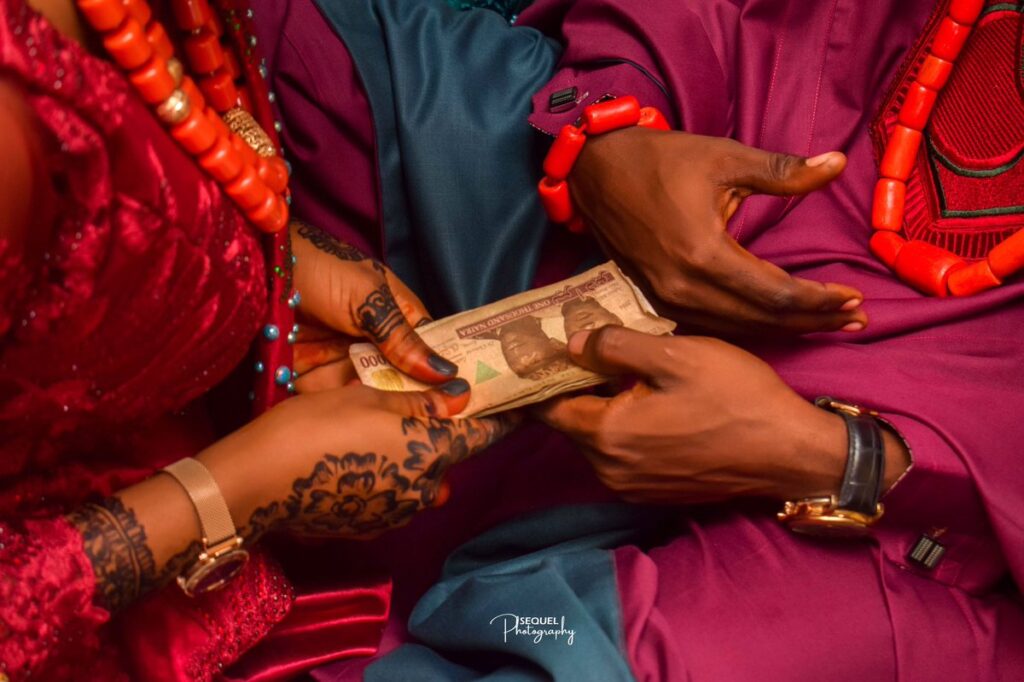
Marriage in Ebira culture isn’t just a wedding day — it’s a series of rites that connect families, affirm community bonds, and balance tradition with modern religious identities. This comprehensive 2026 guide breaks down Ebira traditional marriage rights, current bride price realities, and how traditional, Islamic, and Christian practices differ in Ebiraland.
Who Are the Ebira People?
The Ebira (also spelled Igbira/Ebirra) are an ethnic group primarily in Kogi State (Okene, Adavi, Okehi, Ajaokuta) and scattered communities in Nasarawa, Plateau, and Edo states in Nigeria. They speak the Ebira language and historically are farmers with rich cultural traditions. Source: Wikipedia
Their religion today is a mix of traditional belief, Islam, and Christianity, shaping how marriage rites are conducted.
Overview of Ebira Traditional Marriage (Ozu’enu)
Ebira traditional marriage (often referred to simply as marriage rites) is more than a ceremony — it’s a sequence of negotiations, gifts, payments, negotiations, and cultural observances that affirm the joining of two families.
Step-by-Step Cultural Practices
a. Expression of Intentions
A man who wishes to marry an Ebira woman doesn’t walk directly to the bride’s family. Instead, he sends elders or family representatives to formally state his intentions.
b. Introduction / Investigation
The bride’s family investigates the suitor’s character, family background, and ability to support a family. Open communication between extended families happens at this stage.
c. Agreeing the Bride Price & Marriage List
The bride price (dowry) and list of items are jointly negotiated. The amount is flexible but usually reflects social expectation, local economy, and the groom’s status.
d. Traditional Wedding Day
On the marriage day:
- Women from the groom’s family carry tubers of yam on their heads in celebration to the bride’s house.
- Boxes and items like palm oil, salt, drinks, clothing, and adornments are presented.
- A community elder or religious figure may offer prayers and blessings.
e. Escorting the Bride
After all rites and blessings, the bride is traditionally escorted to her husband’s home by her friends and women in the community.
What Is the Bride Price in 2026?
The bride price for Ebira traditional marriage remains variable in 2025/2026, but recent cultural reporting offers realistic figures:
Current Standard Range
- Ebira traditional bride price: ~₦120,000 (base figure in 2024) — this remains a common benchmark going into 2026, though actual amounts can rise with inflation or family negotiation.
- Some local reports previously mentioned amounts as low as ₦80,000+ in 2024, reflecting economic fluctuations.
Additional Cultural Payments
Besides the bride price itself, traditional Ebira weddings often include:
- Ozemeiyi — “I am attracted to her” sentiment payment.
- Otanuvoge / Otanvogel — symbolic “joining hands together.”
- Idoza — once a farm labour contribution, now often a monetary equivalent.
The total cost of conducting a full traditional marriage event (including venue, food, attire, photography) typically ranges from roughly ₦1.05 m to ₦1.77 m or more depending on scale.
Important Note: There is no fixed “national law” on bride price — customs vary by family, extended lineage, and local negotiations. What matters most is mutual consent and agreement between families.
Cultural Meaning of Bride Price
In Ebira tradition, the bride price is not a sale of the woman. Instead its cultural significance includes:
- Affirming commitment and responsibility.
- Respecting family and community ties.
- Acknowledging the bride’s upbringing and value.
Traditional vs Islamic vs Christian Marriage in Ebiraland
Because of the diversity of religion in Ebira society, marriage rites can take different forms depending on faith orientation.
A. Traditional (Cultural) Marriage
This is focused on:
- Family negotiations.
- Age-old rituals and community involvement.
- Cultural symbols such as yam processions and communal celebrations.
It does not involve a formal religious marriage contract under Islam or Christianity, but it is socially binding within the community.
Islamic Marriage in Ebira Land
For Ebira Muslims, the marriage process may involve:
- Nikah (Islamic marriage contract) performed by an Imam or Islamic authority.
- Bride price (Mahr/Sadaki) as required by Islamic law — this is obligatory but determined by the couple and can be symbolic or monetary.
- Islamic marriage doesn’t require the entire traditional list, but many Muslim Ebira still include cultural rites as a complement.
In practice, many Ebira Muslims mix cultural ceremony with Islamic rites because tradition is deeply rooted in community life.
Christian Marriage in Ebira Land
Christian couples often follow this pattern:
- Church or Christian wedding ceremony — solemnization in front of the congregation and clergy.
- Blessing and vows outside traditional rites.
- Some Christian Ebira couples still perform traditional marriage rituals (gift exchanges, bride price negotiations) before the church wedding.
This mixing of tradition and Christian practices is common and socially respected.
Key Differences Between the Three Systems
| Feature | Traditional Ebira | Islamic (Muslim) | Christian |
|---|---|---|---|
| Basis | Cultural rites & family unions. | Islamic law (Nikah). | Christian doctrine (church vows). |
| Bride Price | Negotiated culturally. | Set by couple per Islamic guideline. | Can be cultural or symbolic. |
| Ceremony Leader | Elders / cultural leaders. | Imam. | Pastor/Priest. |
| Religious Focus | Community blessing, social recognition. | Islamic religious contract. | Christian marriage covenant. |
| Legal Recognition | Socially valid in community. | Religious & potentially civil (depending on documentation). | Religious & potentially |
Legal and Social Recognition in Nigeria
In Nigeria, customary marriages (like Ebira traditional rites) are recognized socially and, when registered, are legally valid under customary law. Religious marriages (Islamic and Christian) can add formal recognition if registered with relevant authorities.
This dual recognition allows families to honor tradition while aligning with religious or civil expectations.
Modern Trends & Changes
Cultural change, urbanization, and religious influence have shaped Ebira marriage practices:
- Bride price and marriage lists are monetized more than before, reflecting modern economy.
- Islamic communities may adapt certain rites differently, but cultural practices remain present.
- Christian influence has promoted monogamy, but traditional rituals are still widely respected.
This interplay of culture and religion continues to evolve in 2026 Ebiraland.
Tips for Couples Planning Marriage in Ebira Culture
- Start Early: Understand family expectations and negotiate bride price and list items early.
- Respect Both Traditions & Religion: You can honor cultural rites while observing your faith’s requirements.
- Get Documentation: If you want legal recognition (court or church), register your marriage accordingly.
- Communication is Key: Ensure both families agree to terms — open dialogue prevents misunderstandings.
Conclusion
Ebira traditional marriage rights remain a vibrant expression of culture in 2026, carefully interwoven with Islamic and Christian beliefs. While bride price figures vary with economics and negotiation, the underlying cultural values emphasize family unity, respect, and lifelong commitment. Whether through traditional rites, Islamic Nikah, or Christian vows — marriage in Ebiraland is both a customary journey and a spiritual covenant.


0 Comments