


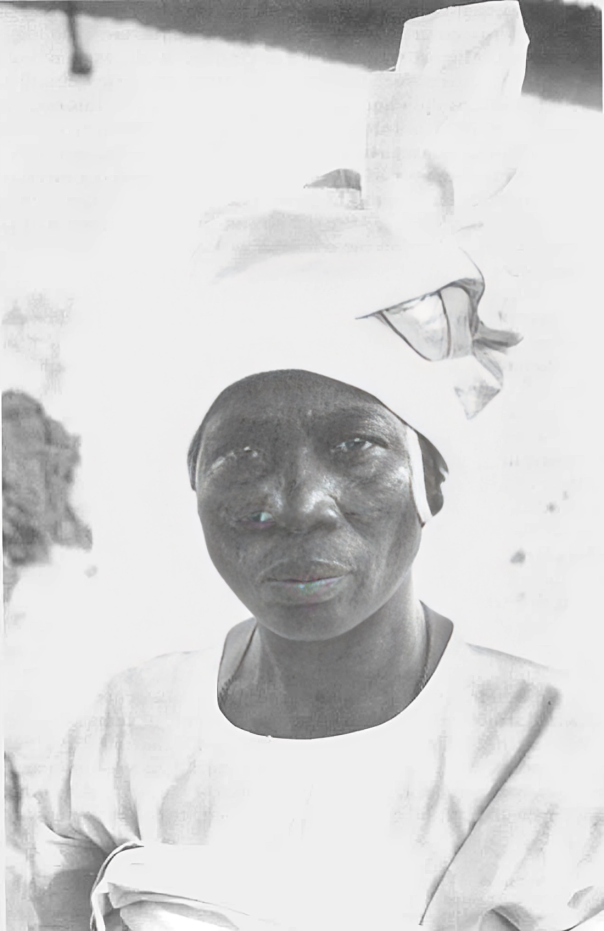
Among the Ebira people of Kogi State, certain traditions are spoken of with deep reverence, passed from elders to younger generations through stories, songs, and lived experience. One such sacred tradition is the phenomenon known as Onoku — women believed to be born with a special spiritual calling, marked from the very moment they enter the world.
The story of an Onoku does not begin in adulthood or through training. It begins at birth, under signs that elders say cannot be mistaken.
The Mysterious Birth of an Onoku
In Ebira oral history, the birth of an Onoku is said to be accompanied by unusual natural signs. Whether the child is born at home or in a hospital, witnesses often recount the sudden appearance of small insects and creatures, especially red ants known locally as ijija, and sometimes snake-like creatures referred to as ewu.
These creatures are believed to gather around the mother and newborn without causing harm. They do not bite, sting, or attack anyone present. Instead, their calm presence is interpreted as a spiritual announcement — a sign that a child of special destiny has been born.
Elders emphasize that this occurrence is rare and deeply symbolic. Not every child born under strange circumstances is called an Onoku; it is the distinct combination of signs and subsequent confirmation through tradition that sets an Onoku apart.
Growing Into Her Calling
As the child grows, she lives like any other member of the community, but with careful observation from elders and custodians of tradition. It is usually from around the age of fifteen years and above that her spiritual identity becomes fully recognized.
At this stage, she undergoes traditional acknowledgment and begins to assume her role. During ceremonies, an Onoku is often seen dressed in white, symbolizing purity and spiritual clarity. She adorns herself with traditional beads on her neck and wrists, and parrot feathers placed in her hair, signifying her connection to the spiritual realm. A ceremonial fan is commonly carried, marking her authority and sacred duty.
The Spiritual Role of an Onoku in Ebira Tradition
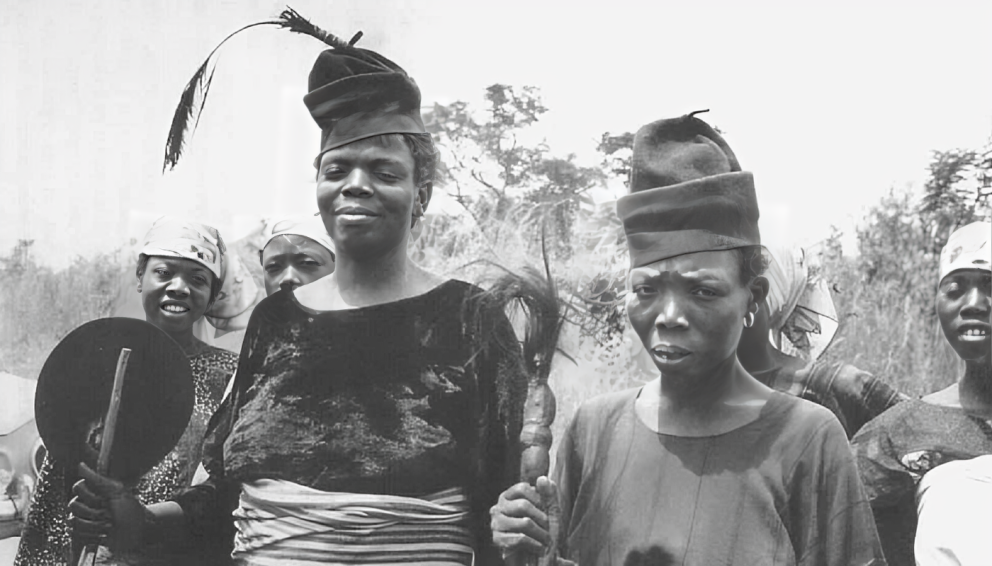
The Onoku plays a crucial role in Ebira masquerade traditions and spiritual rites. She is believed to possess the ability to perceive spiritual warnings and messages, helping to guide masquerades and ritual leaders on what sacrifices, rites, or appeasements are required to prevent misfortune.
When danger threatens the land — whether in the form of sickness, conflict, or unexplained disturbances — the Onoku is consulted. Through spiritual insight passed down from ancestors, she advises on the necessary rituals to restore balance and peace within the community.
Her role is not one of public dominance but of quiet authority, wisdom, and spiritual responsibility.
A Bridge Between the Physical and the Spiritual
In Ebira belief, the Onoku stands at the meeting point between the seen and the unseen. She is regarded as a living connection between human society and the ancestral world. This makes her role both respected and demanding, requiring discipline, humility, and lifelong commitment to tradition.
Despite the honor attached to her position, an Onoku is not worshipped. Rather, she is viewed as a custodian of sacred knowledge, entrusted with protecting cultural continuity and spiritual order.
Duty, Humility, and Cultural Preservation
Elders often stress that being an Onoku is not a privilege for personal gain. It is a burden of service. She must live with restraint, respect tradition, and uphold the values of the Ebira people. Every ritual she guides and every counsel she gives is seen as an act of loyalty to ancestors and to generations yet unborn.
Through her actions, the Onoku helps preserve Ebira identity in a world where many indigenous traditions are fading.
The Place of Onoku in Ebira Cultural History
In the wider cultural landscape of Ebiraland, the Onoku represents spiritual resilience, ancestral continuity, and the enduring power of tradition. Her story reminds the community that not all knowledge is written, and not all authority is visible.
The tale of the Onoku — marked at birth by nature itself — continues to be told because it speaks to the Ebira understanding of life as a balance between humanity, nature, and the spiritual world.
As elders say, when the ijija appear and harm no one, the land has spoken.


0 Comments